Danger Breakfast: Why America Watches Wipeouts With Its Coffee
Between 5 and 9 a.m., crash clips rack up more views than any other hour of the day. We dug into the streaming data and talked to the fans who treat adrenaline like a breakfast food.
Category
22 articles
Between 5 and 9 a.m., crash clips rack up more views than any other hour of the day. We dug into the streaming data and talked to the fans who treat adrenaline like a breakfast food.

Advertisers can now measure your heart rate while you watch a 90-foot canyon gap. The question isn't whether it works — it's what happens to extreme sports content when fear becomes the thing being sold.
The most jaw-dropping action in extreme sports happens in the most unreachable corners of the planet — and that's exactly where your stream dies. From Alaskan glacier runs to open-ocean big wave sessions, the infrastructure holding up live coverage is quietly crumbling under the weight of geography. We dug into the tech gaps, talked to athletes who've watched their biggest moments disappear into static, and found out what's actually being done about it.

The athletes pushing the absolute limits of human performance are increasingly finding themselves without corporate backing — not because they're unpopular, but because their lawyers are terrified. A quiet liability crisis is reshaping who gets funded in extreme sports, and the consequences for progression could be severe. We break down which disciplines are getting frozen out, who's pulling the strings, and what athletes are doing to survive without the safety net of brand money.

Before the helmet goes on and the camera starts rolling, the most dangerous athletes in the world go somewhere nobody can see — inside their own heads. Sports psychologists and elite performers reveal the mental frameworks separating calculated daredevils from reckless thrill-seekers. It turns out the most important piece of gear in extreme sports weighs about three pounds and sits between your ears.

Extreme sports built its identity on the outsider, the scrappy kid who couldn't afford a country club membership so they built a halfpipe in the backyard instead. But behind the scenes of today's elite competition circuit, a different story is playing out — one where six-figure family budgets are buying competitive advantages that raw talent alone can't overcome. The meritocracy myth is cracking, and it's worth taking a hard look at what's underneath.
A growing wave of professional and semi-pro extreme athletes are dropping serious cash on cinema-grade slow-motion rigs to document their own stunts — and it's completely rewriting the rules of sponsorship and credibility. What used to require a full production crew now fits in a custom-built backpack, and the footage coming out of these setups is forcing brands to rethink what 'broadcast quality' even means. We break down the tech, the price tags, and why your sponsor might care more about your
Frame rate used to be a nerdy spec buried in a camera manual. Now it's the difference between a sponsorship deal and a deleted clip. Here's why 240fps has quietly become the floor — not the ceiling — for anyone serious about capturing extreme sports on camera.
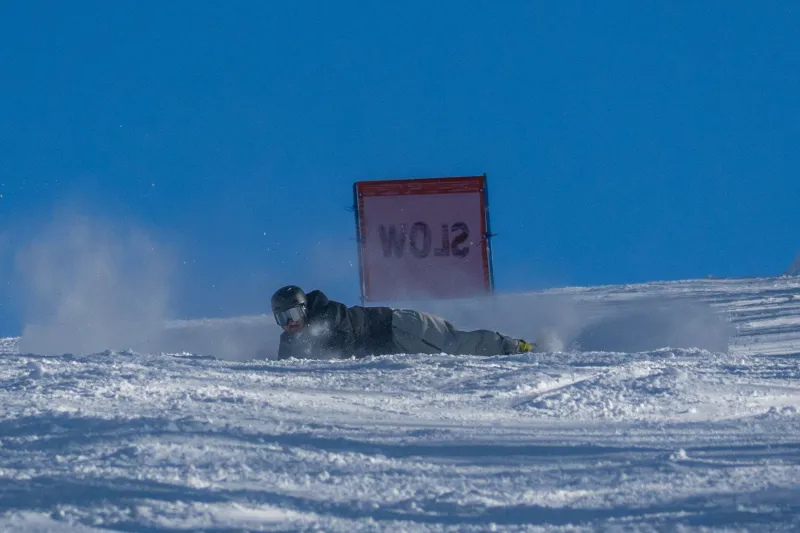
When a snowboarder stomps a triple cork at 120fps versus 30fps, they're practically performing two different tricks — one legendary, one forgettable. The technical specs behind how extreme sports get streamed are quietly determining which athletes blow up and which ones disappear into buffering hell. Here's why frame rate has become the most underrated weapon in action sports.
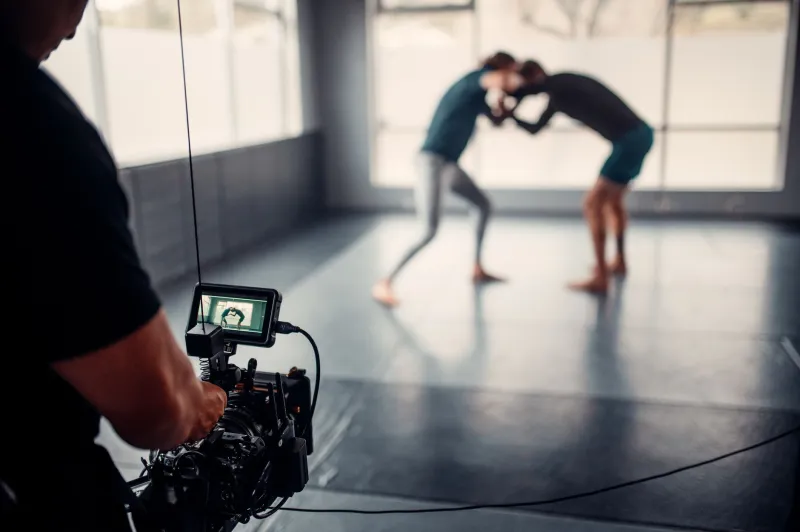
Ultra-high-definition cameras are doing more than capturing jaw-dropping footage — they're actively changing how athletes decide what's safe to attempt. From spotting micro-terrain hazards to fueling pressure for bigger, more cinematic stunts, the 4K and 8K revolution has a complicated relationship with danger.
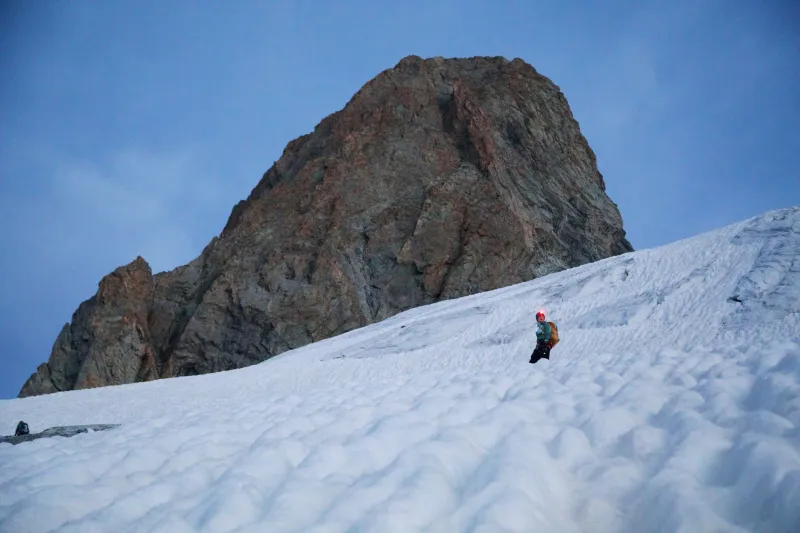
A growing wave of elite athletes is flipping the calendar, trading peak summer seasons for frozen terrain and ice-slicked walls. With fewer competitors, wider sponsorship gaps, and a social feed hungry for something fresh, winter disciplines are quietly becoming the hottest proving ground in action sports. We dug into the science, the strategy, and the sponsors to find out why the cold is calling.
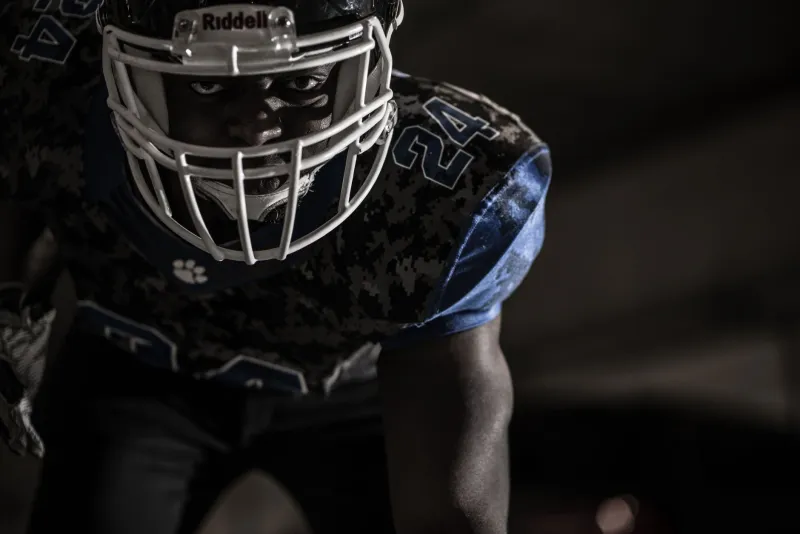
Biometric companies and insurers are quietly turning extreme athletes' concussion records into goldmines of predictive data. Athletes are trading neurological health information for sponsorships and coverage without fully grasping the long-term cost. Here's what's really happening when your brain injury becomes someone else's algorithm.
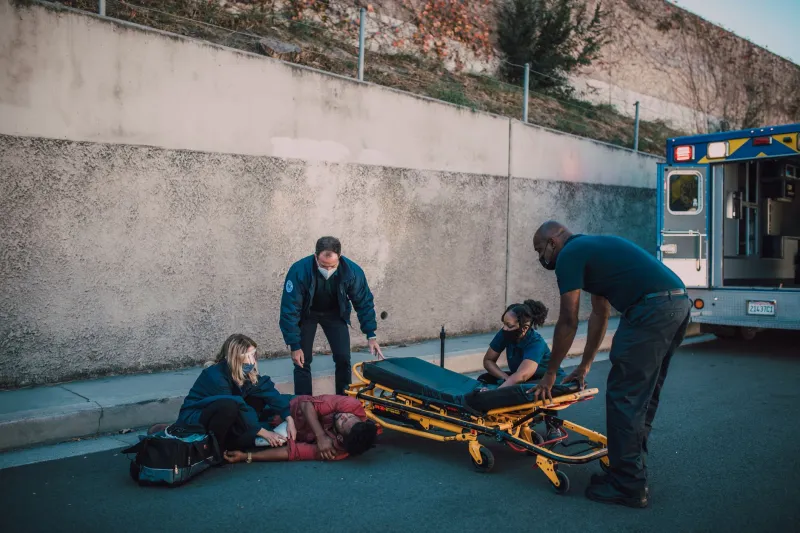
Beneath the podiums and highlight reels, a quiet system of doctors, coaches, and athletes has quietly figured out how to keep competitors in action long after their bodies say stop. The financial stakes are enormous, the medical risks are real, and the whole thing operates in the shadows of a sport culture that treats toughness like currency.

The insurance industry has a simple answer for most extreme athletes: absolutely not. So what happens when the people doing the most dangerous jobs in sports have to invent their own financial safety nets from scratch? We went deep on the underground economy keeping risk-takers covered when traditional providers won't even pick up the phone.
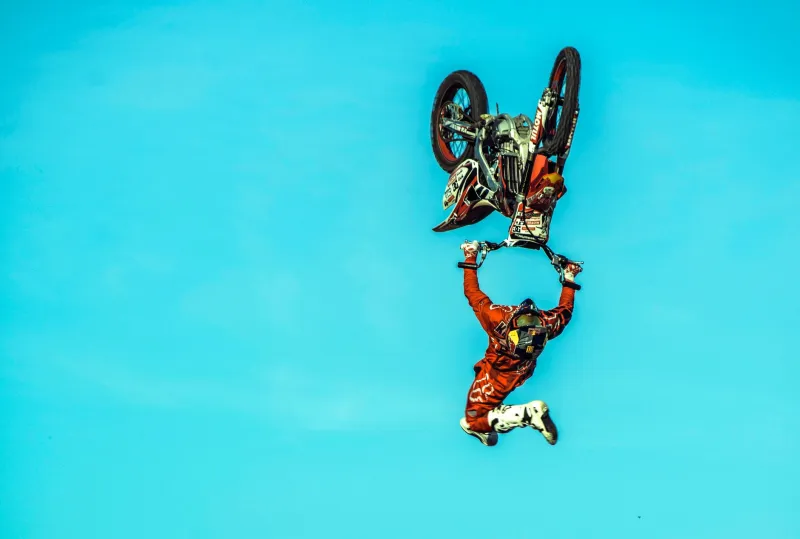
A growing number of extreme athletes are ditching traditional sponsorships and betting their bodies on blockchain technology, NFT drops, and real-time crypto payouts to fund increasingly dangerous stunts. It's part hustle, part spectacle — and entirely uncharted territory. We dug into the money, the math, and the very real physical risks behind this digital gold rush.
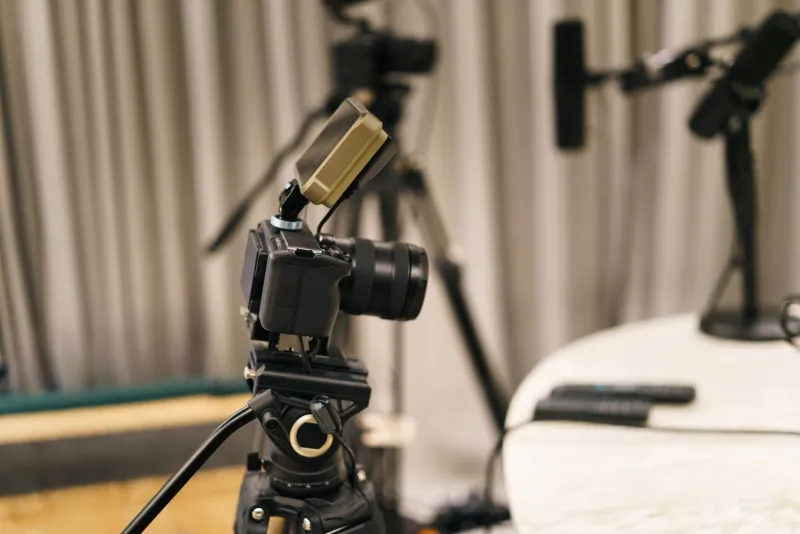
A growing wave of top-tier extreme sports athletes are walking away from algorithm-driven platforms and building their own streaming empires from scratch. The move comes with serious technical and financial hurdles, but the early results are turning heads across the industry. Here's what the shift means for fans, content, and the future of how we watch the world's most dangerous sports.
Going viral in extreme sports isn't just about pulling insane stunts anymore — it's a calculated science of thumbnails, timing, and SEO wizardry that's quietly reshaping how athletes approach risk itself. We talked to creators and platform insiders to decode the exact playbook behind the content that dominates your feed.
One brutal wipeout clip can rack up millions of views overnight — but for the athlete in the footage, the real damage might just be getting started. Beyond the broken bones and hospital bills, viral injuries can trigger a cascade of insurance gaps, liability disputes, and sponsorship contract landmines that most athletes never see coming. We talked to sports attorneys and content creators to map out exactly how bad it can get.
Forget the big-box brands and corporate R&D labs — some of the most exciting equipment in extreme sports is being born in cramped garages and basement workshops across America. A growing crew of DIY engineers and small-batch craftsmen are cooking up boards, bikes, and gear that's quietly outperforming the stuff on store shelves. We went deep to find out who they are, how they work, and why pro athletes keep showing up at their doors.
It's not illegal, but it's not exactly mainstream either. America's underground amateur drag racing scene is a world of custom-built machines, serious money, and engineering genius operating just outside the spotlight — and it's producing some of the most technically impressive motorsport happening anywhere in the country.
Stunt coordinators have always walked a razor-thin line between spectacular and catastrophic — but now they've got a digital co-pilot. Artificial intelligence and motion capture tech are fundamentally changing how Hollywood plans its most insane sequences. We broke down exactly how the machines are making the impossible safer to pull off.
Wingsuit BASE jumping isn't just about guts — it's about physics, precision engineering, and split-second math happening at terrifying speeds. We broke down the aerodynamics, talked to the athletes actually doing it, and watched the helmet-cam footage so you don't have to. Buckle up.